How human brains and AI models use analogies to bridge structured data, and why the future of reading belongs to hyper-personalized, custom-assembled books.

How the shift from writing letters to directing AI language models makes human taste, discretion, and authenticity the ultimate competitive edge.
An essay exploring the contrast between the intensive accumulation of structured, source-grounded knowledge and the retreat to storytelling and personality in the age of AI.

When you want to learn something, the internet hands you an endless stream of fragments. A good book is compressed intellectual capital. Instead of treating knowledge like static content, iChatbook treats it like something alive.
Reading a book is usually seen as a linear process. But that is not how we actually learn. To master a topic, you need a path through the landscape of ideas.
Most people who read non-fiction books don't actually learn anything. They just get better at recognizing ideas they've already seen. The real test of an idea is application.
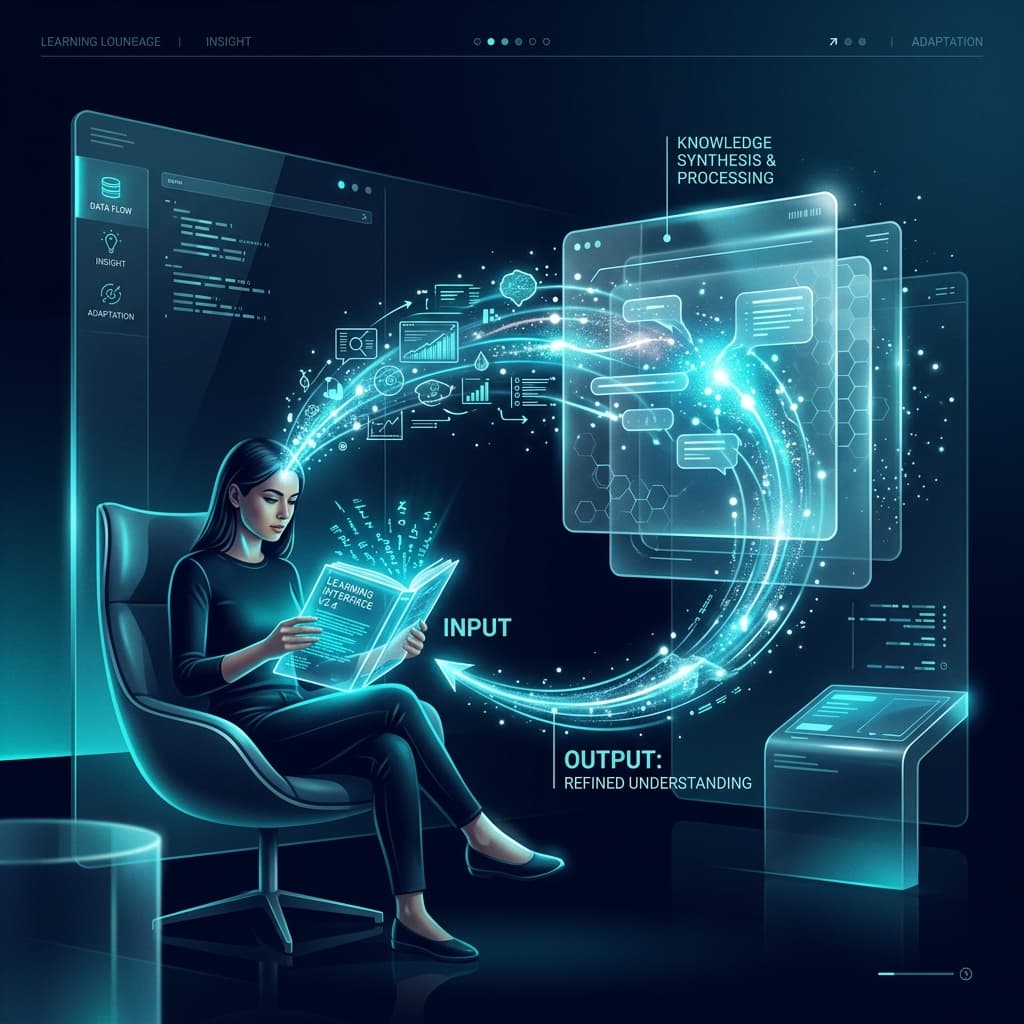
There's a common misconception about how we acquire knowledge. We imagine it as a one-way street: information goes in, and understanding follows.
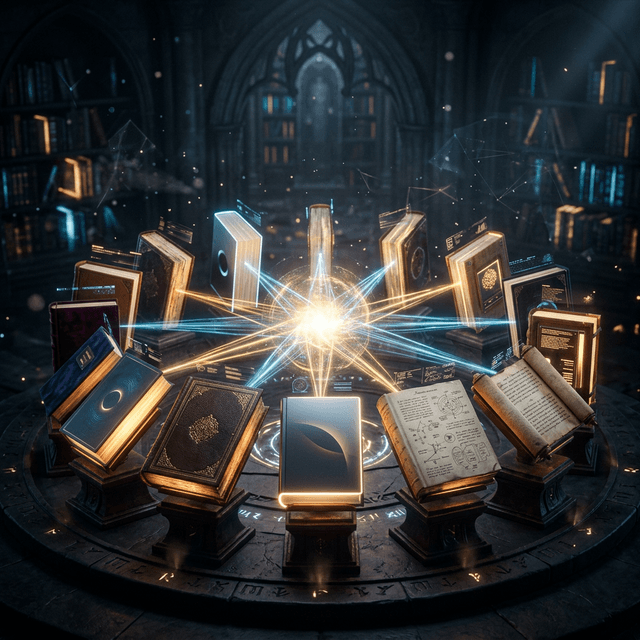
One of the first ideas people have about AI and books is: what if you could chat with a book? But the more interesting idea appears one step later: what if you could chat with many books?
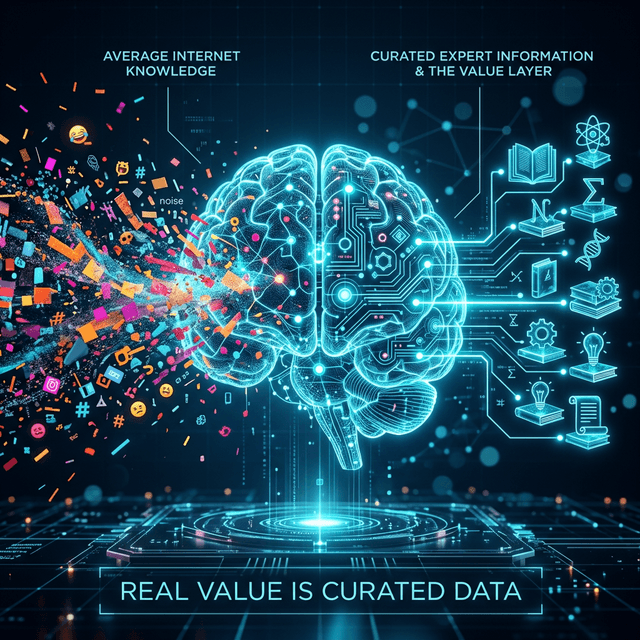
Explore why large language models often appear more intelligent than they are, the impact of "averaging" internet knowledge, and why the real value lies in the curated information you connect to them.

